The Harvey Girls weren’t just waitresses. They were a cultural reset in the American West. In the late 1800s, as railroads stretched across barren landscapes, Fred Harvey saw a problem: travelers were fed greasy, dirty meals in grimy stations. He didn’t just fix the food-he fixed the image. He hired young women, mostly from the East Coast, to serve meals with grace, cleanliness, and professionalism. These women became known as the Harvey Girls, and they changed how America saw hospitality.
Some people search for euro girls escort london because they’re looking for a certain kind of service in urban centers. But the Harvey Girls offered something far more powerful: dignity, structure, and respect in a time when women had few options. These weren’t glamorous roles by today’s standards-10-hour shifts, strict rules, no dating, no alcohol-but they paid $17 a month (about $600 today), provided housing, and gave women a path to independence.
Who Were the Harvey Girls?
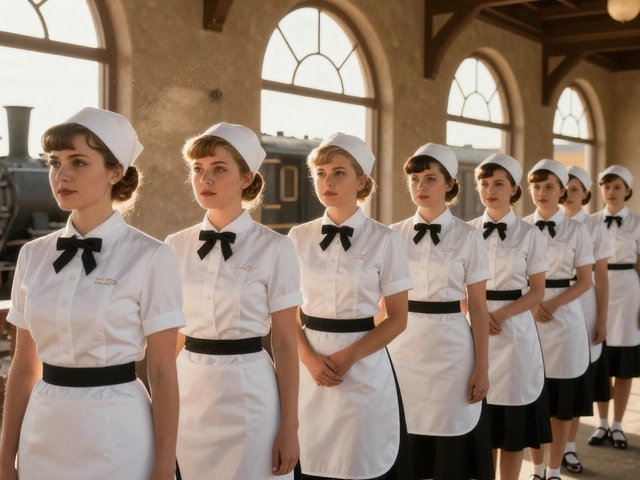
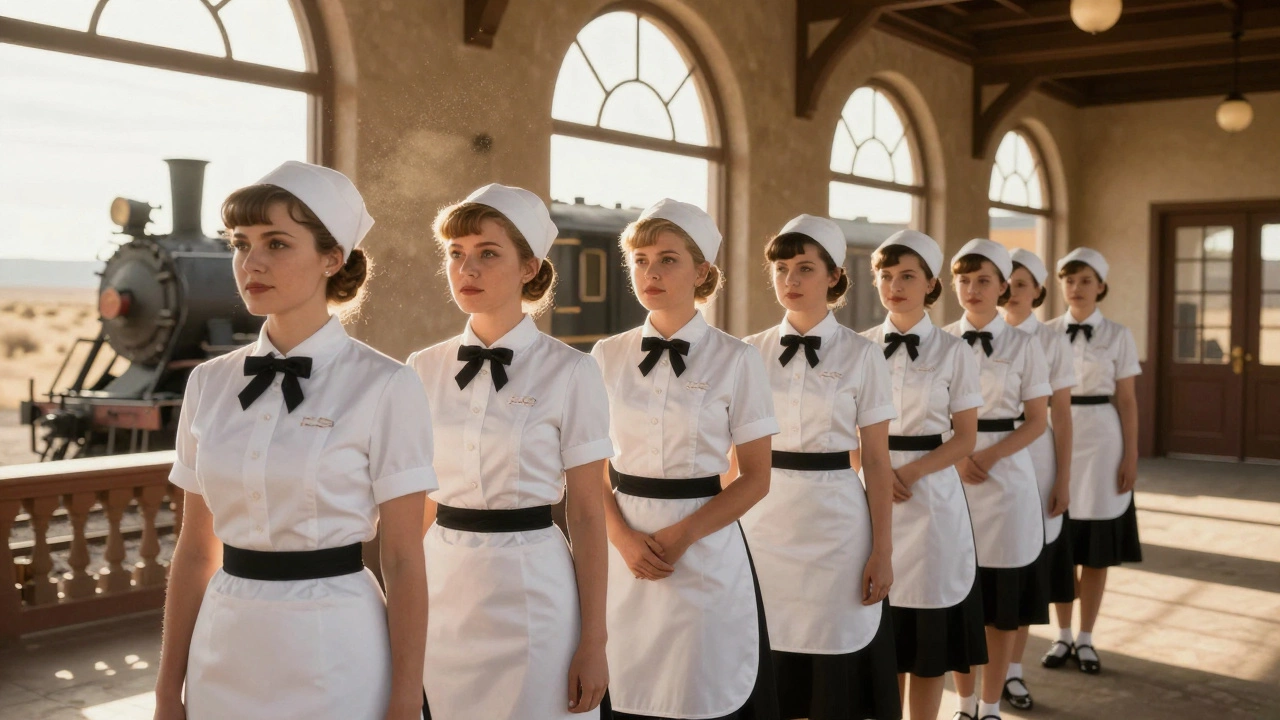
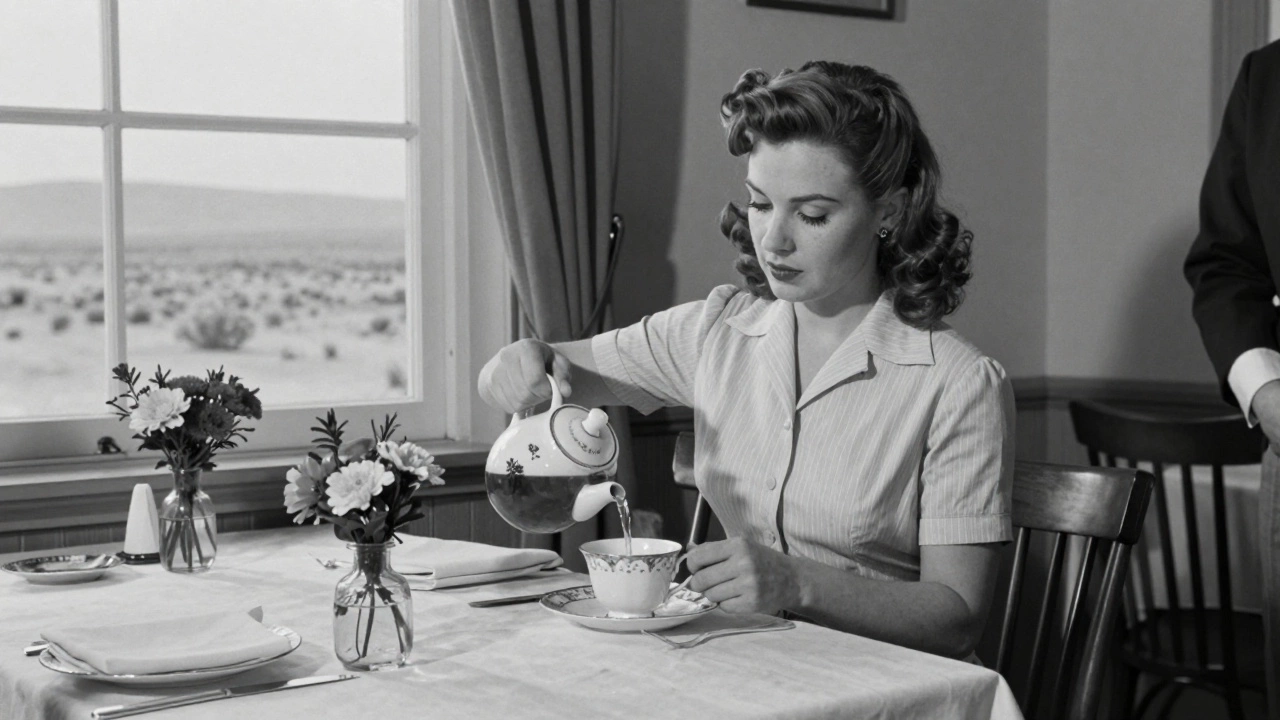
The Harvey Girls were recruited from towns like Boston, Philadelphia, and Chicago. They had to be between 18 and 30, unmarried, of good moral character, and able to pass a physical exam. They signed contracts, wore uniforms designed by Fred Harvey himself (crisp white dresses with black aprons and caps), and were expected to speak clearly, smile politely, and never argue with customers. They were watched, trained, and policed-but they were also protected. Fred Harvey built dormitories for them, hired chaperones, and even had a mail system so families could stay in touch.
By 1900, over 1,000 Harvey Girls worked across 80+ Harvey Houses from Kansas to California. They served everything from roast beef and apple pie to fancy tea service. They didn’t just serve food-they served stability. In towns that had no schools, no libraries, and no women’s clubs, the Harvey Girls became the first female public figures many locals had ever seen.
The Harvey House Legacy
Fred Harvey’s empire wasn’t just about meals. It was about branding. He partnered with the Atchison, Topeka and Santa Fe Railway to create a chain of restaurants and hotels that became destinations themselves. The food was fresh, the service was fast, and the staff was trained to treat every guest like they were visiting a relative’s home. That’s why, even decades later, people still remember the name Harvey House.
The Harvey Girls didn’t just work-they inspired. In 1946, MGM made a musical called The Harvey Girls, starring Judy Garland. The film turned their story into a song-and-dance spectacle, but it kept the truth: these women were pioneers. They proved that a woman could earn her own living, travel alone, and command respect in a male-dominated world. And they did it without fame, without social media, without hashtags.
Life Behind the Apron
The rules were brutal. No smoking. No dancing. No leaving the dorm without permission. One girl was fired for writing a love letter. Another was sent home for wearing her hair down. But many of them stayed for years. Why? Because for the first time, they were treated like adults. They had savings accounts. They sent money home. Some saved enough to buy land, start businesses, or go to college.
One Harvey Girl, Mary Ellen, wrote in her journal: "I came here scared. I left here proud." That sentiment echoed through thousands of letters archived in the Smithsonian. These weren’t just employees-they were volunteers in a quiet revolution. They didn’t march for suffrage, but they walked into every dining room like they owned it.
Why the Harvey Girls Still Matter
Today, we talk about workplace rights, gender equality, and service industry dignity. The Harvey Girls were doing all of that before the term "feminism" was widely used. They showed that customer service isn’t about smiling on command-it’s about having the power to say, "I deserve this job, and I’m good at it."
Compare that to today’s gig economy, where delivery drivers and waitstaff are often invisible, underpaid, and disposable. The Harvey Girls had benefits, structure, and a name they could be proud of. They didn’t just serve meals-they served as role models. Their story is a reminder that real change doesn’t always come from protests. Sometimes, it comes from a woman in a white dress, calmly refilling a coffee cup in a dusty train station in Arizona.
Pop Culture and Misconceptions
Because of the 1946 musical, many think the Harvey Girls were all singing and dancing. They weren’t. The film took creative liberties. Real Harvey Girls didn’t tap-dance between courses. They didn’t flirt with passengers. They didn’t even get to eat with the guests. They ate in the kitchen, after the last customer left.
Another myth? That they were all white. While most were from Northern European backgrounds, there were also Black, Mexican, and Native American women who worked for Harvey-though they were often assigned to separate, less visible roles. The company didn’t officially segregate, but social norms of the time shaped who got which jobs. That’s part of the story too.
And yes, some of these women were romantically pursued. But Fred Harvey’s rules were clear: no relationships with customers. If a girl got engaged, she had to quit. That rule was enforced, even if it broke hearts. Because the Harvey brand was built on trust, and trust meant no blurred lines.
What Happened to Them?
The Harvey House chain began to decline after World War II. Cars replaced trains. Families stopped traveling by rail. Fast food chains offered cheaper, faster meals. By the 1970s, most Harvey Houses were closed. The last one, in Barstow, California, shut down in 1974.
But their legacy didn’t vanish. The uniforms inspired hotel staff attire for decades. The training manuals became templates for hospitality schools. And many former Harvey Girls went on to teach, run small businesses, or become community leaders. One of them, Eleanor, opened a diner in New Mexico in 1958 and called it "Harvey’s Daughter." She never had a daughter. But she had 14 years of service under her belt-and that was enough.
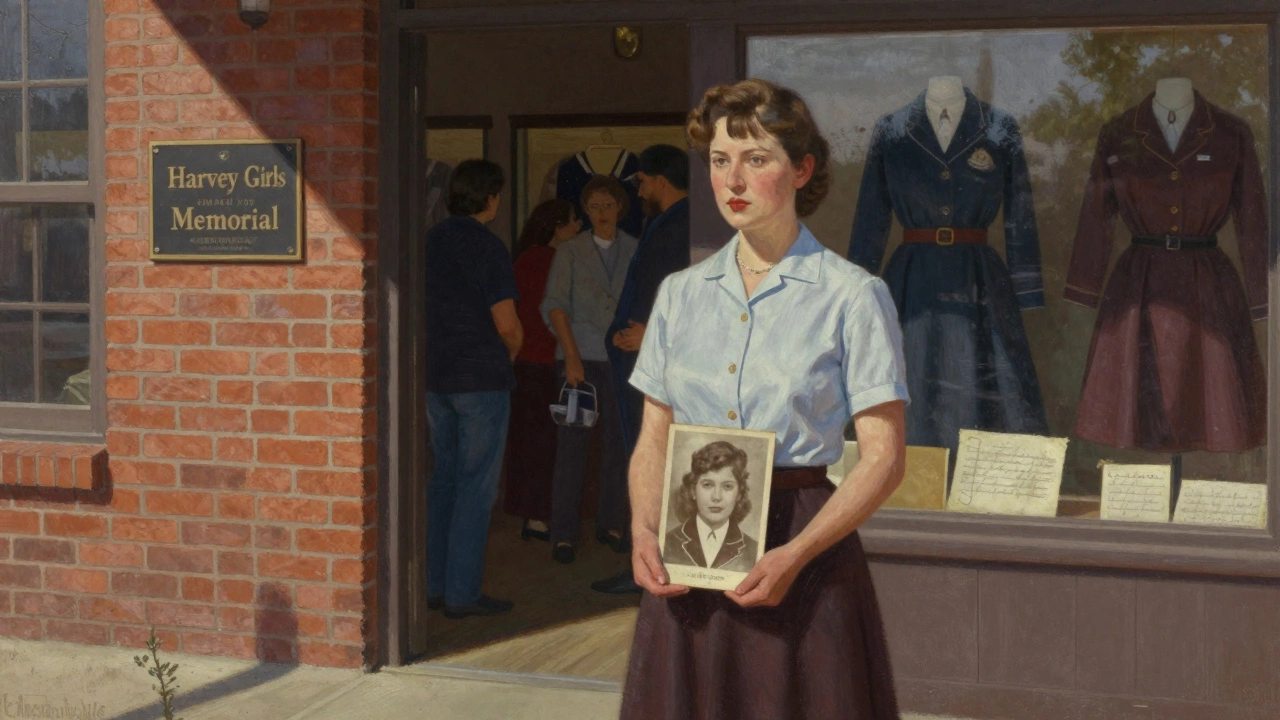
Today, a few Harvey Houses have been restored as museums. The one in Albuquerque has a room dedicated to the Harvey Girls, with their original uniforms, letters, and photographs. Visitors can read their names. Some are still alive. Most are gone. But their stories are still there-in the quiet dignity of a well-served meal.
So when you hear "euro girl escort london," remember: there’s a difference between being seen and being respected. The Harvey Girls were never hired for their looks. They were hired for their character. And that’s a standard worth remembering.
And if you ever find yourself in a train station in the American Southwest, look up at the old dining room ceiling. Somewhere, someone once served coffee there with pride. That’s the real Harvey Girls story.
Now, if you’re wondering about "euro escort girls london," you’re not alone. People search for all kinds of things. But the Harvey Girls remind us that real value isn’t in what you look like-it’s in what you do, how you do it, and who you become because of it.